
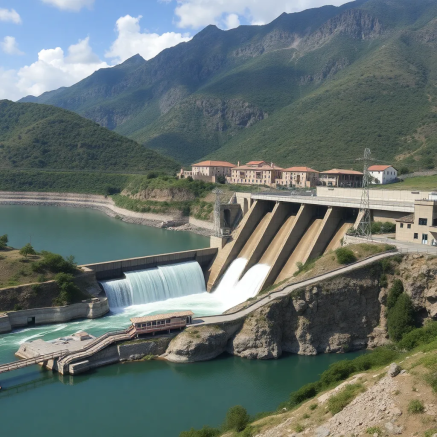
Hydropower companies may offer training and awareness programs in local schools and communities about environmental conservation, water management, and the impact of renewable energy. Local residents are often trained in technical skills related to hydropower plant operations, maintenance, and energy management, helping them gain employment opportunities linked to the project.
Many hydropower projects fund scholarships, educational facilities, and libraries, especially in remote or underdeveloped areas, improving access to quality education.
For communities displaced by large dams or reservoirs, hydropower projects may provide fair compensation, resettlement assistance, and programs to integrate displaced populations into new environments, with access to education, housing, and healthcare.
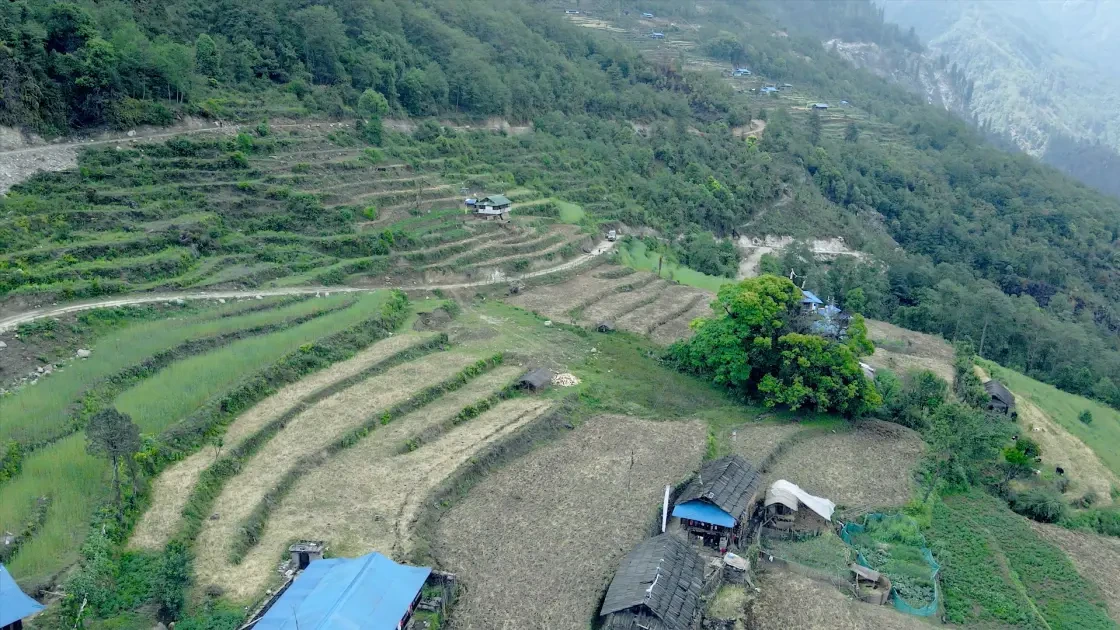
Community Engagement.
Engaging local populations in the planning and operation phases ensures that the projects are sustainable and meet the actual needs of the people. This participatory approach fosters a sense of ownership and responsibility, crucial for the long-term maintenance and success of the facilities.

Infrastructure Development.
Infrastructure development refers to the construction and improvement of foundational systems and facilities that support a society’s economic activities and enhance the quality of life. This includes transportation networks (roads, bridges, railways, airports), energy systems (power plants, grids, renewable energy sources), water supply and sanitation systems, telecommunications, and urban infrastructure (schools, hospitals, housing).

Low Carbon Footprint
Hydropower is considered a low-carbon energy source because it generates electricity by harnessing the energy of flowing water, which does not produce direct greenhouse gas emissions. Its environmental impact, however, varies depending on the scale and type of hydropower projects. Large-scale dams can disrupt local ecosystems, affect water quality, and displace communities, altering river flow […]